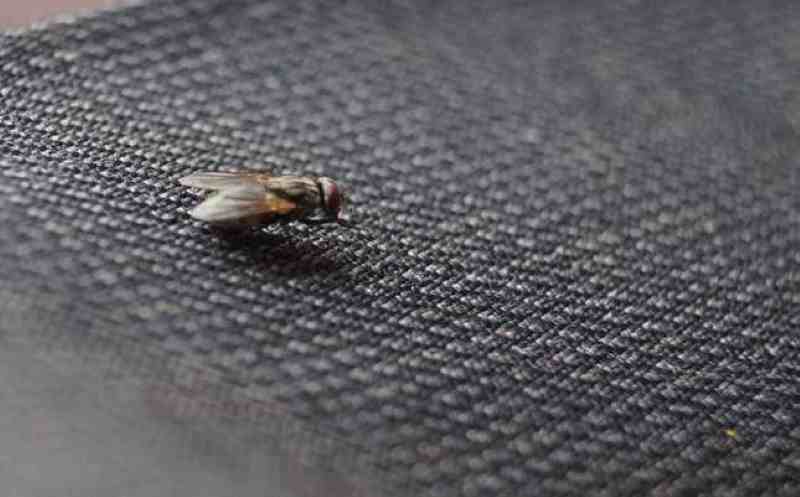
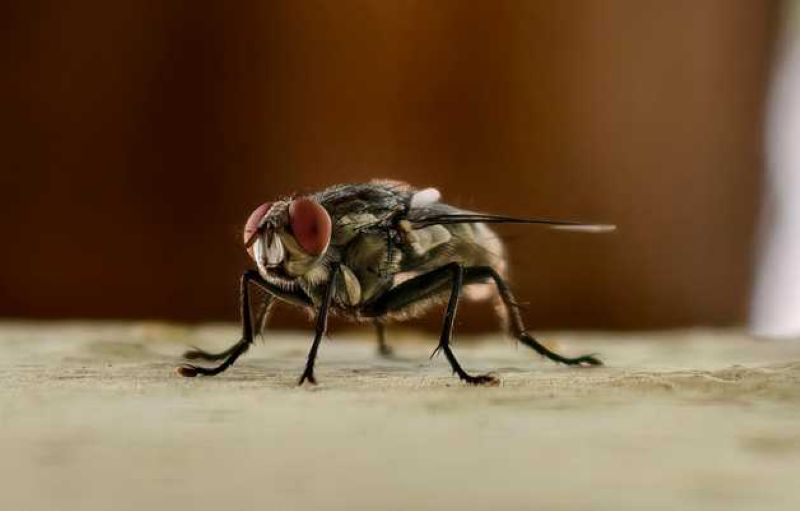
A housefly trap in your car sounds like the sort of invention dreamed up after discovering a chip wrapper beneath the passenger seat three weeks too late.
Yet flies in cars are no laughing matter when you are trying to arrive at work without spending the entire journey swatting at something with the aerodynamic confidence of a fighter jet. A vehicle can become surprisingly attractive to insects. Warm upholstery, spilled drinks, food crumbs, damp floor mats and the faint aroma of yesterday’s takeaway can turn a perfectly respectable hatchback into a five-star hotel for flies.
The odd part is that most drivers immediately blame the windows. They imagine the fly has simply flown in during a traffic jam, enjoyed the scenery and decided to become a permanent passenger. Sometimes that is exactly what happened. Often, however, there is a more interesting culprit: your car is offering better accommodation than you realise.
Your Car is Basically a Tiny Ecosystem
Cars collect things. Not just mileage, service stamps and parking tickets, but all the microscopic evidence of daily life.
A coffee spills into the centre console. A child drops half a biscuit under a seat. Someone eats chips on the way home. A reusable water bottle leaks into the carpet. Mud gets dragged inside after a rainy weekend. None of these events feels significant at the time. Collectively, they can create an olfactory theme park for insects.
Flies are especially good at finding food and moisture. They do not need a banquet. A little residue around a cup holder or a sticky patch on a door pocket may be enough to make your car worth investigating.
This is why detailing is more than making the dashboard look smugly shiny. Cleaning the areas that drivers rarely inspect can remove the conditions that attract unwanted visitors. Vacuum beneath the seats, wipe the cup holders, clean the boot area and check the edges of floor mats. If something smells suspiciously fruity, sour or vaguely like regret, investigate it.
Then there is the boot. It deserves special attention because it is where cars quietly store their secrets. Sports equipment, grocery bags, damp umbrellas and old takeaway containers can sit there for days. A boot can become the automotive equivalent of a teenager’s bedroom, only with fewer complaints about the Wi-Fi.
Housefly Trap Tactics for Drivers
When flies have already moved in, prevention may need a little backup.
A properly positioned housefly trap can help reduce the number of adult flies buzzing around the cabin while you deal with the underlying cause. The important word is positioned. Placing anything directly beside the driver’s controls is obviously a terrible idea. You do not want a desperate insect, an awkwardly placed device or your own flailing arm becoming a road safety issue.
Instead, consider using a suitable trap when the vehicle is parked, particularly if you have identified repeated fly activity. Follow the product instructions carefully and keep anything containing liquid or attractant secured against spills. A car interior is not the ideal location for experimental chemistry.
An easy and effective way to trap flies in a car is to make a DIY apple cider vinegar trap using a small cup, dish soap, and plastic wrap.
It is also worth understanding what a trap cannot do. It will catch flies, but it will not magically remove the source that attracted them. If there is rotting food under the seat, a dirty bin in the boot or organic material trapped in a damp carpet, removing the insects without cleaning the area is rather like evicting tenants while leaving the front door wide open.
The best strategy is therefore simple: remove the attraction, clean the interior and use a suitable trap as an extra line of defence.
The Detailer’s Approach Beats the Swatter
There is a temptation to attack a fly with whatever happens to be within reach. A magazine works. A tissue rarely does. A rolled-up receipt is surprisingly optimistic.
The problem with frantic swatting inside a moving vehicle is obvious. Your attention should be on the road, not on conducting aerial combat above the steering wheel. If a fly appears while driving, pull over somewhere safe if necessary and deal with it once the car is stationary.
For prevention, think like a detailer rather than a pest controller. Start with rubbish. Remove every wrapper, receipt and forgotten food container. Then vacuum thoroughly, including underneath seats and around seat rails. Wipe hard surfaces with an appropriate interior cleaner. Check mats and carpets for dampness. If something has been spilled, clean it properly rather than hoping the smell will eventually surrender.
Use compact, non-spill housefly traps designed for small or enclosed spaces.
Pay attention to the air-conditioning system too. A musty smell may point towards moisture or contamination that deserves investigation. Cabin filters also need replacing according to the vehicle manufacturer’s maintenance recommendations. A clean filter will not stop every fly entering your car, but keeping the ventilation system maintained is part of keeping the cabin fresh.
And do not forget the outside. Flies are not particularly interested in whether your paintwork has a ceramic coating. They are interested in food, moisture and smells. Keeping the exterior clean can therefore complement your interior efforts, particularly around areas where organic grime accumulates.
Make Your Car Boring to Bugs
The ultimate goal is not to build an elaborate insect defence system worthy of a military procurement programme. It is to make the car uninteresting.
Take rubbish out regularly. Avoid leaving food in the cabin. Dry wet mats instead of allowing them to marinate. Clean spills immediately. Keep the boot organised. If you transport pets, clean fur, crumbs and accidental mess promptly. If you regularly eat lunch in the car, give the interior a proper clean rather than relying on the legendary five-second crumb retrieval technique.
Drivers who use their cars for commuting should also consider how long the vehicle sits unused. A warm, closed car can become noticeably unpleasant when organic residue has been left inside. During warmer weather, the problem can escalate quickly because heat encourages smells and speeds up the breakdown of food residues.
A housefly trap can be useful in this situation, but prevention remains the star of the show. Think of it as supporting cast rather than the leading actor.
Are you tired of finding bugs crawling around in your car? Whether it’s ants, spiders, mosquitoes, or other pests, they can be a real nuisance! In this video, I’ll show you the best ways to remove bugs from your car and keep them out for good! You can also find products to repel flies and insects at Aroba shop.
There is another advantage to this approach: a cleaner car is simply nicer to live with. You will notice fewer smells, fewer mysterious stains and fewer occasions when opening the door feels like opening a cupboard belonging to someone who has recently lost an argument with a kebab.
Most importantly, you will avoid turning every journey into an episode of Top Gear: Attack of the Killer Fly. Your passengers will appreciate it. Your dashboard will appreciate it. Your concentration certainly will.
Cars are designed to transport people, luggage and the occasional regrettable parking decision. They are not intended to provide luxury accommodation for flying insects. Keep the cabin clean, remove food sources, deal with dampness and tackle persistent infestations sensibly. If the tiny invaders still refuse to take the hint, a well-used housefly trap may finally convince them that your car is not the holiday destination they imagined.
Super intelligence has done something wonderfully internet-ish: it has turned two innocent letters belonging to Slovenia into a speculative gold rush for domain names, proving once again that the web can transform geography into branding before anyone has finished their coffee. Posts from the same category: Get Rubber Car Mats for Ultimate Car Protection All-Weather Car Mats as the Ultimate Protection for Your Car Interior Perfect Car Interiors starting from Rubber Signs You Need Replacement Size-accurate Rubber Mat The Need for a Rubber Car Boot Mat Liner Also, do not miss the following articles: Get Rubber Car Mats for Ultimate […]