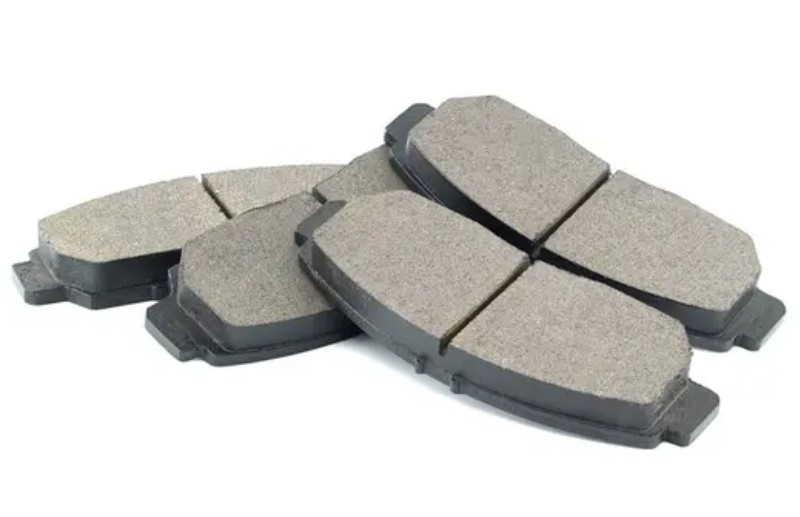
That shrieking sound that emerges from tired brakes is gut-wrenching to all of us. Nobody likes hearing it, especially on a family road trip or during rush hour. But that noise? It’s a warning sign from your car that says, “Hey, something’s wrong!” The villain? Most likely, those overworked, neglected brake pads.
Now, while some drivers shrug it off, thinking they can ride it out a little longer, the truth is that noise is only the beginning of the story. What follows could be warped rotors, shaky stops, and a whole lot of regret. No one wants their vehicle to become a roadside attraction, especially when it’s all avoidable with a little attention and maintenance.
Stopping Power Begins with a Simple Choice
It’s simple to overlook that stopping an automobile involves a lot of moving elements. Feel the deceleration, press the pedal, and continue. But beneath that smooth experience is a small component doing heavy lifting: the humble brake pad. It gets flattened against the rotor every time you brake, withstanding heat, friction, and pressure so you don’t become a trunk liner somewhere. And yet, despite its importance, it’s overlooked—until it fails.
Brake pads are generally designed to make an unpleasant noise when they’re going bad. If you apply the brakes normally and hear clicking, squealing, grinding, or screeching noises, there’s a good chance the brake pads are worn down and need to be replaced.
Picking the right type of pad is more than just reaching for whatever’s on special at the parts counter. There are different materials, each with its perks and pitfalls. Some are quieter but wear out quickly. Others do last longer but may not be ideal for performance driving. The magic lies in understanding your driving behavior and selecting something that suits your car’s needs. Daily commuter? Weekend canyon carver? Towing a trailer every other day? There’s a pad for that.
When Brake Pads Speak, Drivers Should Listen
Vehicles have a sneaky way of telling you what they need—if you’re tuned in. That grinding sound? It’s not the music of the open road.
If you think it’s time for a change, or you just want to be prepared, get new auto parts for your car model at Silux online.
That subtle vibration in the pedal? Not just your imagination. And that soft, spongy response when stopping? Definitely not a feature.
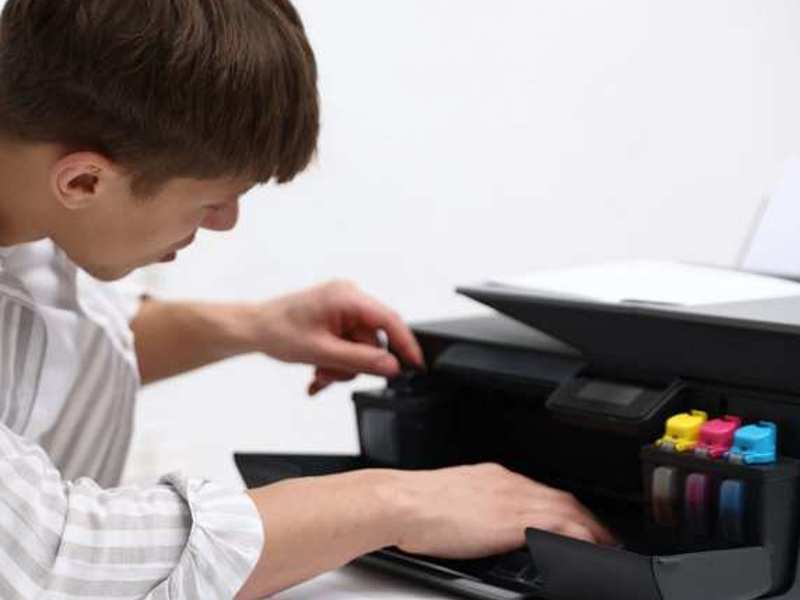
Printer ink has saved more dreams and doomed more Mondays than any office coffee machine ever could. You might think it is just a liquid in a cartridge, quietly sitting there waiting to make your emails look important on paper. But, oh, ink for printers is far more heroic and sneaky than we give it credit for. It is a tiny warrior in the battle against blank pages, a liquid ninja hiding in your printer until you desperately need it. If you have ever stared at a blinking printer light, heart racing, knowing that your report is due in five […]